

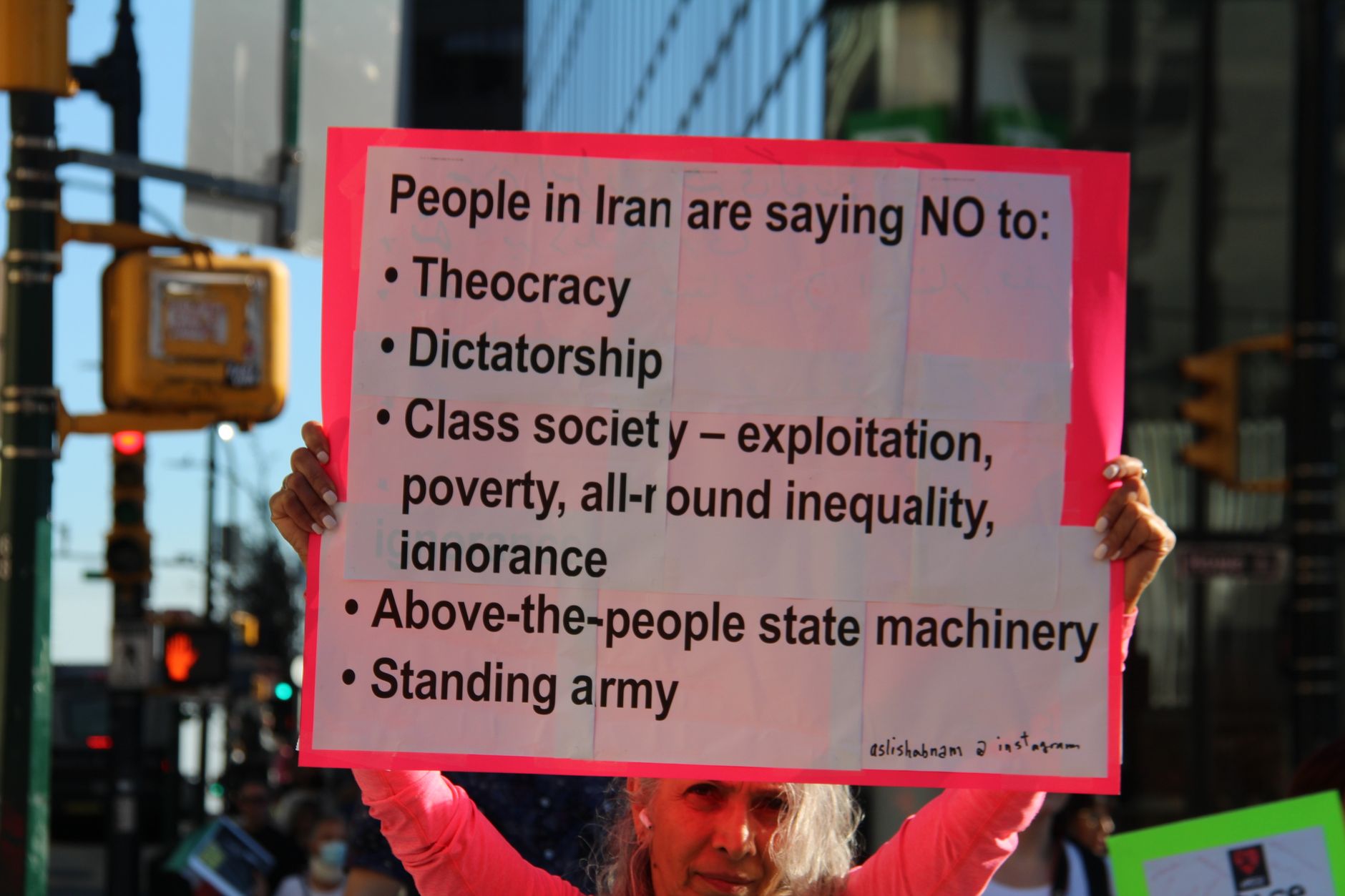
JD Vance Iran comments have sparked discussion about the current state of affairs in the Middle East. His remarks challenge conventional narratives and invite further scrutiny.
Understanding JD Vance’s Perspective
In a recent interview, JD Vance made headlines with his comments regarding the escalating tensions with Iran. His perspective sheds light on the complex dynamics at play in the region. Vance stated, “I wouldn’t call it a war,” emphasizing his belief that the situation requires a nuanced understanding rather than sensationalized rhetoric.
Vance’s remarks reflect a growing sentiment among some political figures who urge for a more measured approach to foreign policy. He argued that labeling the conflict as a war simplifies the intricacies involved and could lead to misguided actions.
Key points from Vance’s commentary include:
- The need for diplomatic solutions over military escalation.
- A call for clarity in discussing U.S. interests in the Middle East.
- A caution against jumping to conclusions about Iran’s intentions.
Understanding JD Vance’s perspective on Iran comments helps contextualize the broader debate surrounding U.S. involvement in global conflicts.
Impact of Iran on U.S. Relations
JD Vance’s recent comments regarding Iran have sparked significant discussion about their impact on U.S. relations. His assertion that he would not label the situation as a “war” challenges conventional narratives surrounding U.S.-Iran tensions.
Vance’s remarks suggest a need for a more nuanced understanding of the geopolitical landscape, where he emphasizes the importance of diplomacy over military intervention. He believes that labeling the situation as a war could escalate tensions unnecessarily.
Critics argue that such views may downplay the seriousness of Iran’s actions, while supporters contend they promote a more measured response. As Vance navigates these complex issues, his comments highlight the delicate balance required in U.S. foreign policy.
In this context, the discussion surrounding JD Vance’s Iran comments will likely continue to evolve, influencing the broader dialogue on international relations in the coming months.
The Role of Media in Political Discourse
The recent remarks made by JD Vance regarding Iran have sparked significant media attention and debate. In a climate where political discourse is often charged, Vance’s comments stood out for their candidness. The media plays a crucial role in shaping public perception and understanding of such statements.
As journalists report on Vance’s Iran comments, they must navigate the fine line between informing the public and amplifying divisive rhetoric. Effective reporting can foster healthier discussions, while sensationalism may exacerbate tensions.
Furthermore, the framing of Vance’s statements can influence how constituents interpret his views on foreign policy. Key factors to consider include:
- The context of the remarks
- Responses from political opponents
- Public sentiment toward U.S.-Iran relations
Ultimately, the responsibility lies with both media and politicians to enhance understanding rather than escalate conflicts.
Analyzing Recent Political Statements
In a recent press conference, JD Vance made headlines with his candid remarks regarding the escalating tensions surrounding Iran. His comments sparked a mix of reactions from both supporters and critics, highlighting the divisive nature of U.S. foreign policy discussions. Vance stated, “I wouldn’t call it a war,” when asked about the implications of military action against Iran, which some interpreted as a call for restraint in an increasingly volatile situation.
Critics argue that such remarks could downplay the seriousness of U.S.-Iran relations, while supporters appreciate his straightforward approach. Analyzing JD Vance’s Iran comments reveals a broader narrative in American politics about the balance between military intervention and diplomatic engagement. As tensions rise, it remains to be seen how these statements will influence public opinion and policy-making in the context of international relations.
Overall, Vance’s perspective adds a critical voice to the ongoing debate, urging a reconsideration of how America engages with Iran.
The JD Vance Iran comments have sparked a significant debate among political analysts regarding U.S. foreign policy. Many are questioning the implications of his statements on the already tense relations between the two nations.
Photo by Sima Ghaffarzadeh on Pexels